
The Ultimate Guide: Top 5 Symptoms of a Failing Diesel Fuel Injector & How to Replace It
A failing diesel fuel injector can quietly rob your truck of power, fuel efficiency, and reliability. Ignoring bad fuel injector symptoms often leads to serious engine damage, costly downtime, and even piston or turbo failure. In this guide, I’ll walk you through the warning signs and a practical approach to diesel injector replacement—just like I would in my own shop after 20 years working on heavy-duty diesel engines.
What Is a Diesel Fuel Injector and How Does It Work?
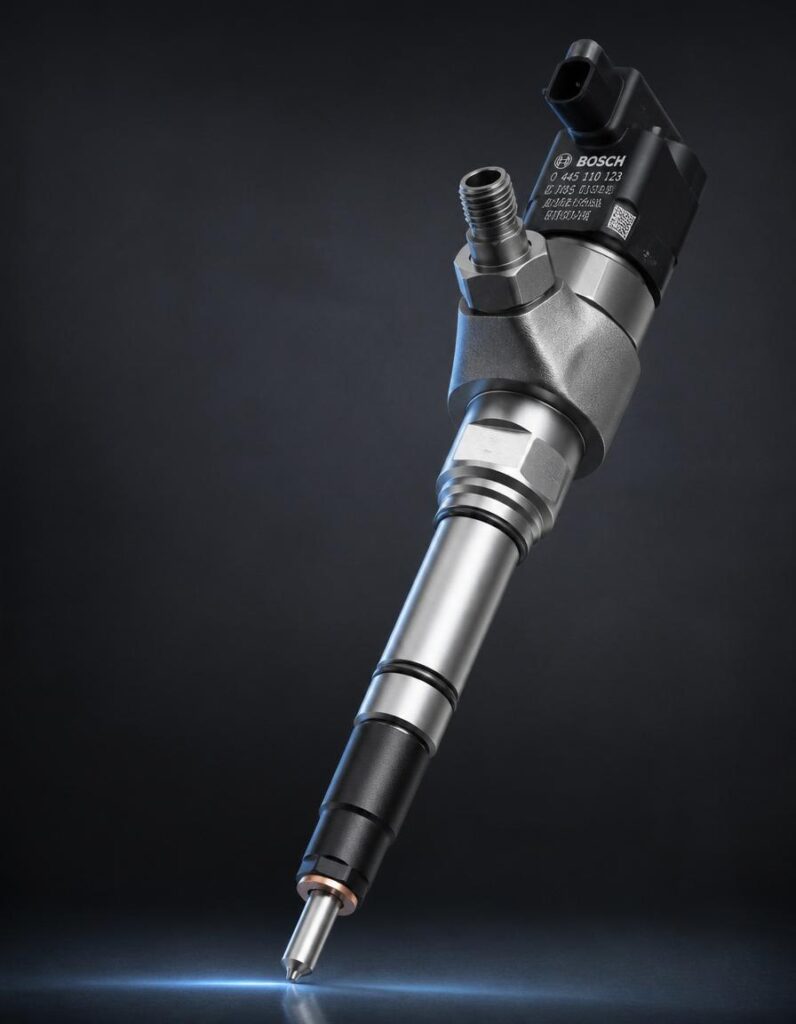
A diesel fuel injector is a precision component responsible for delivering atomized fuel directly into the combustion chamber at extremely high pressure.
Modern common-rail systems can exceed 25,000 PSI. At that pressure, even a minor deviation in spray pattern or timing can affect:
- Combustion efficiency
- Engine temperature
- Emissions output
- Fuel economy
The injector must deliver the right amount of fuel, at the right time, in a perfectly atomized spray. When it doesn’t, problems begin fast.
Top 5 Symptoms of a Failing Diesel Fuel Injector
1. Engine Misfire Under Load
An engine misfire is one of the most common bad fuel injector symptoms.
If one injector isn’t delivering fuel properly, that cylinder won’t combust correctly. You may feel:
- Jerking during acceleration
- Loss of power uphill
- Uneven engine vibration
Left untreated, misfires can overheat pistons and damage cylinder walls.
2. Black Smoke from Exhaust
Seeing black smoke from exhaust is a clear sign of over-fueling or poor atomization.
When an injector leaks or sticks open, too much diesel enters the combustion chamber. Unburned fuel exits as black soot.
This not only hurts performance but can also:
- Damage your turbocharger
- Clog the DPF system
- Increase emissions dramatically
3. Rough Idle
A rough idle often points to uneven fuel delivery between cylinders.
Your engine may:
- Shake at stoplights
- Sound uneven at idle
- Stall intermittently
In my experience, rough idle is often the first early-stage warning of a failing diesel fuel injector.
4. Poor Fuel Economy
If your truck suddenly develops poor fuel economy, don’t blame fuel prices just yet.
Leaking or inefficient injectors cause incomplete combustion. The ECM may compensate by increasing fuel delivery, making the problem worse.
Fleet managers often notice this symptom before drivers do—especially when tracking fuel logs.
5. Hard Starting or No Start
When injectors fail to deliver proper pressure or spray, cold starts become difficult.
You might experience:
- Extended cranking
- White smoke on startup
- Complete no-start conditions
In severe cases, fuel dilution can contaminate engine oil—leading to bearing damage.
How to Diagnose a Bad Diesel Fuel Injector
Before jumping into a full diesel injector replacement, confirm the diagnosis.
Here are practical methods:
- OBD2 Scanner: Look for cylinder imbalance or injector circuit codes.
- Cylinder Cut-Out Test: Disable injectors one at a time to identify RPM drop changes.
- Fuel Return Flow Test: Detect excessive leakage.
- Visual Inspection: Check for fuel leaks or carbon buildup.
Always rule out fuel filter blockage or low rail pressure before replacing injectors.
Step-by-Step Guide: Diesel Injector Replacement
Replacing a diesel injector is manageable for experienced DIY mechanics—but precision matters.
Safety Warning: Diesel fuel systems operate under extremely high pressure. Always disconnect the battery and properly relieve fuel pressure before starting.
- Disconnect the Battery
Prevent accidental electrical discharge. - Relieve Fuel System Pressure
Follow manufacturer procedures to avoid high-pressure spray injuries. - Remove Engine Cover and Fuel Lines
Label lines carefully to avoid cross-connection. - Remove the Faulty Injector
Use proper puller tools if needed. Avoid damaging the injector bore. - Clean the Injector Seat
Carbon buildup must be removed to ensure proper sealing. - Install the New Injector with New Seals
Torque to manufacturer specifications. - Reprogram or Code the Injector (If Required)
Many modern systems require calibration coding.
After installation, start the engine and inspect carefully for leaks.
Buying Advice: OEM vs Aftermarket Diesel Injectors
One of the most common questions I get is about OEM vs aftermarket diesel injectors.
OEM Injectors:
- Factory original
- Higher price
- Guaranteed compatibility
High-Quality Aftermarket Injectors:
- Built to OEM performance standards
- Cost-effective for fleets
- Reliable when sourced from reputable suppliers
For many truck owners and fleet operators, premium aftermarket injectors offer the best balance between performance and cost.
Conclusion
A failing diesel fuel injector can start with minor issues like rough idle or poor fuel economy, but it can quickly escalate into engine misfire, piston damage, or turbo failure.
Recognizing bad fuel injector symptoms early allows you to act before repairs become expensive. Whether you choose OEM or a high-quality alternative, timely diesel injector replacement restores power, efficiency, and reliability.
Don’t wait for complete engine failure—inspect your injectors today and invest in quality replacements to protect your diesel engine.
Frequently Asked Questions (FAQs)
1. How long do diesel fuel injectors last?
Most diesel injectors last between 100,000–150,000 miles, depending on fuel quality and maintenance.
2. Can I drive with a bad diesel fuel injector?
Short-term driving is possible, but prolonged operation can cause engine damage, increased emissions, and reduced fuel economy.
3. Is diesel injector replacement a DIY job?
It can be for experienced DIY mechanics with proper tools. However, high-pressure systems require careful handling and strict safety procedures.